


これまで、Amazonで調理器具のビジネスを始めるには、多額の在庫投資が必要とされてきました。初期費用、倉庫管理、売れ残りのリスクなどが原因で、これは新規販売者にとってしばしば参入障壁となっていました。しかし現在では、最新のフルフィルメントモデルにより、販売者は最小限の資本で事業を開始し、財務的なリスクを最小限に抑えながら商品をテストできるようになっています。.
ドロップシッピング、ハイブリッド型フルフィルメント、FBAファーストレグ・サービスを活用することで、販売業者は在庫を抱えることなく調理器具市場に参入し、長期的な成長に向けた基盤を築くことができます。以下のような企業は PURECOOK FBA配送サポートと組み合わせたワンストップのフルフィルメントサービスを提供し、Amazonでの販売を始めたばかりの初心者から、すでに定着しているブランドまで、あらゆる企業が効率的に事業を拡大できるよう支援します。.
なぜ今、Amazonで調理器具を販売するのがリスクが低いのか
従来の在庫モデルの問題点
アマゾンの販売者の多くは、調理器具をまとめて購入する際に多額の初期費用を負担しなければなりません。在庫は倉庫に保管し、管理し、発送する必要があり、これが財務的な負担となります。売れ残った在庫は資金を拘束し、利益率を低下させる原因となります。こうした従来のビジネスモデルでは、新規参入者にとって市場への参入はリスクを伴うものとなります。.
在庫を最小限に抑えるソリューション
今日、売り手はこうしたリスクを回避するために、別の方法を採用することができます:
- ドロップシッピング: サプライヤーは販売後すぐに注文を履行するため、在庫保管の必要がなくなります。.
- サプライヤー主導のフルフィルメント: 在庫は、販売されるまで製造元または販売代理店の管理下にあります。.
- ハイブリッド型FBAモデル: 当初はドロップシッピングで注文を処理していましたが、需要が確認された後、Amazon FBAに移行しました。.
新規および経験豊富な出品者にとってのメリット
低リスクモデルを利用することで、販売者は以下のことが可能になります:
- 最小限の資金で事業を立ち上げる
- 大量発注を決める前に、製品のアイデアをテストしてみましょう
- キャッシュフローの柔軟性を維持する
- 製品カタログをより迅速に拡充する
このアプローチは、Amazonにおいて競争が激しいものの需要の高いカテゴリーである調理器具にとって、特に有用です。.
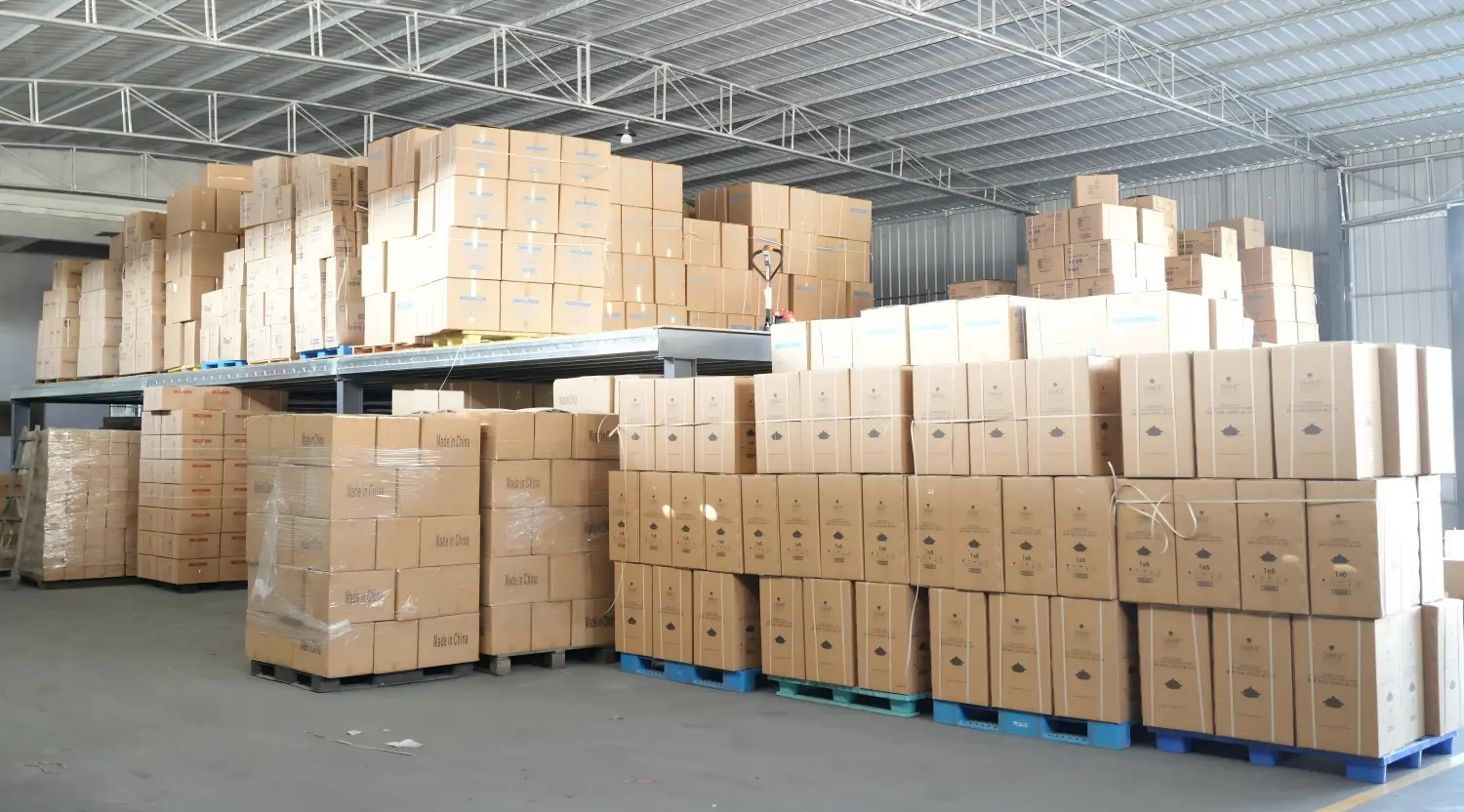
在庫を抱えずにAmazonで調理器具を販売する3つの方法
モデル1 — 純粋なドロップシッピング
純粋なドロップシッピングでは、販売者は事前に在庫を購入することはありません。注文が入ると、サプライヤーが直接顧客に商品を発送します。.
長所:
- 在庫コストなし
- 財務上のリスクが最小限
デメリット:
- 利益率の低下
- ブランディングやパッケージングに対する管理が限定的である
おすすめ: 初期投資をせずに、製品の需要をテストしたり、Amazon市場を調査したりする初心者。.
モデル 2 — ハイブリッド(推奨)
このハイブリッドモデルでは、サプライヤーが在庫を保有し、注文の履行を行う一方で、販売者は売れ行きの良い商品を段階的にAmazon FBAに移行させることができます。.
メリット:
- 財務上のリスクが低い
- キャッシュフロー管理がより容易に
- より優れた拡張性
ここが PURECOOK に優れています。当社は、保管、品質検査、注文処理、そして顧客への直接発送やAmazon FBA倉庫への発送までを一括して対応するフルフィルメントソリューションを提供しています。販売者は、大量の在庫を購入する前に、PURECOOKの製品や機能を個別に試すことができるため、財務リスクを軽減し、市場参入を最適化できます。.
モデル3 — Amazon FBA
FBA(Fulfillment by Amazon)を利用すると、販売者はAmazonの倉庫に商品を保管することができます。保管、梱包、発送はすべてAmazonが行います。.
長所:
- プライム会員資格
- コンバージョン率の向上
- 顧客からの信頼の向上
デメリット:
- 事前の在庫投資が必要
- 製品の業績が予想を下回った場合、リスクが高まる
おすすめ: 実績があり、安定した売上を誇り、大量在庫の保有が正当化される製品。.
在庫を持たない調理器具ビジネスの立ち上げ手順ガイド
ステップ1 — 商品のニッチ市場を選ぶ
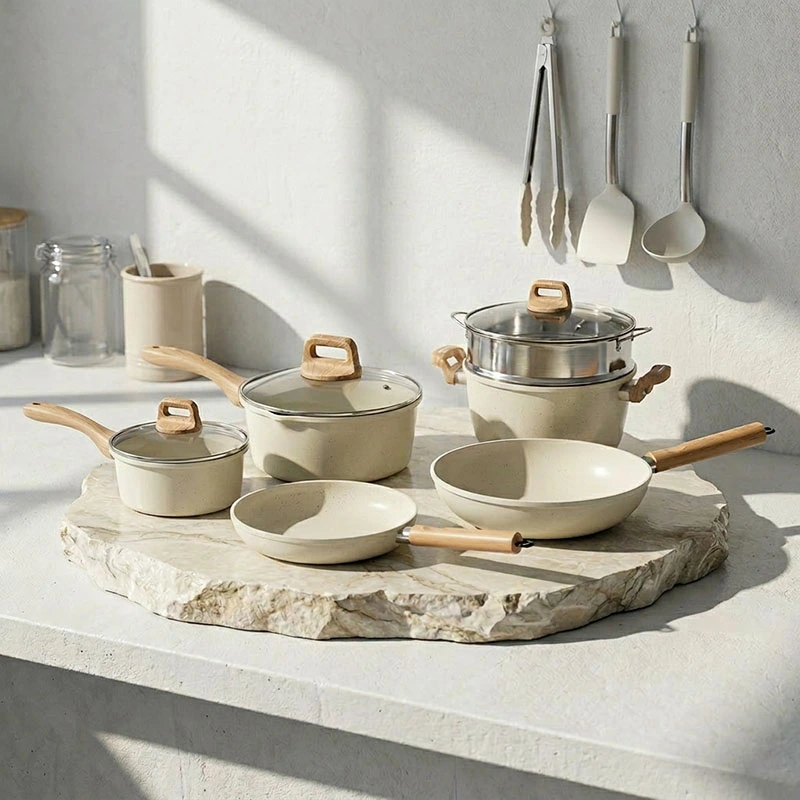
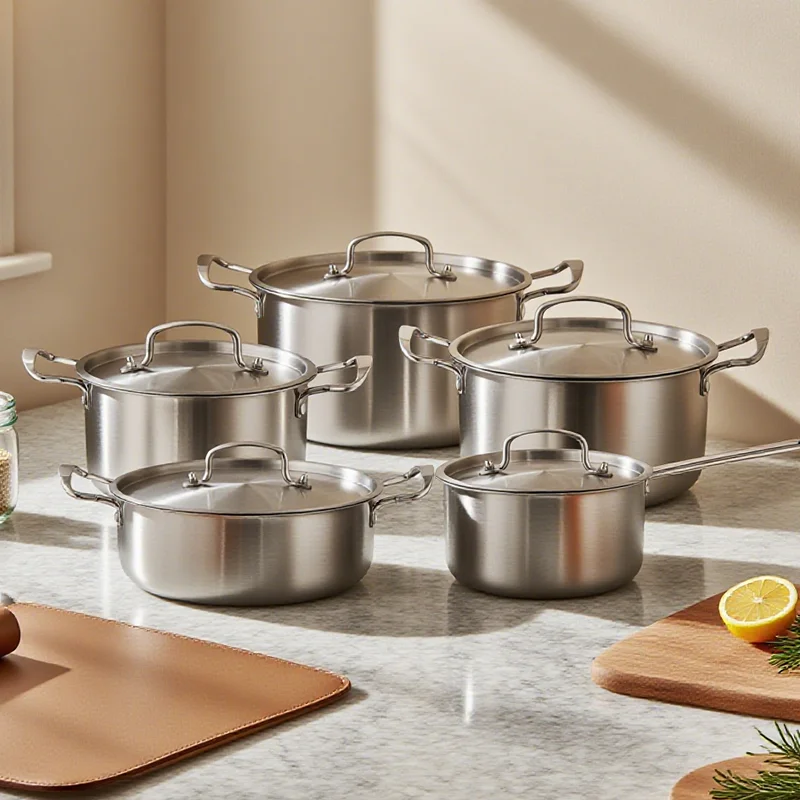
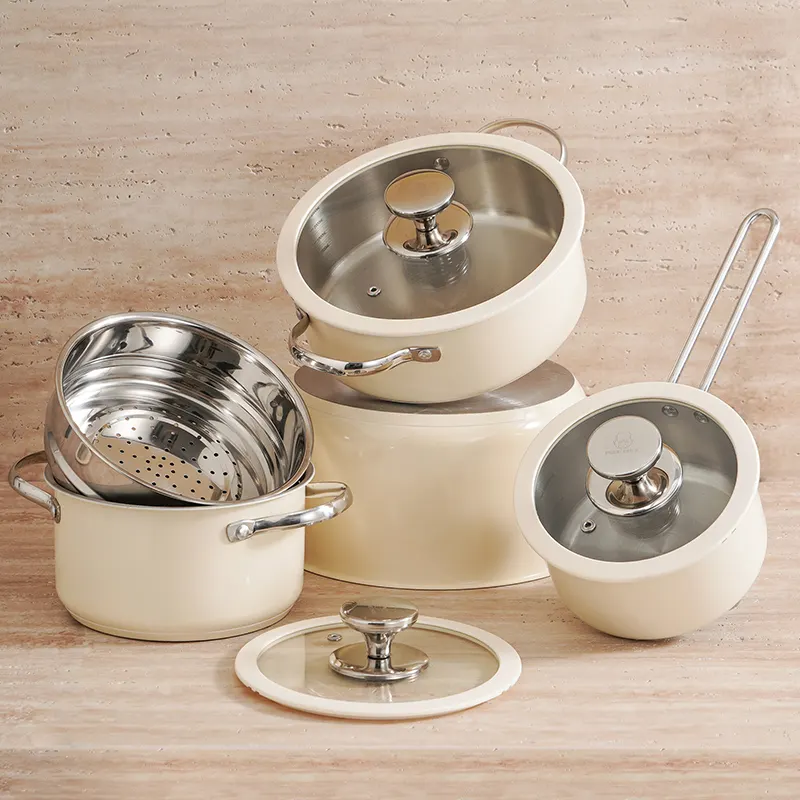
検討すべき調理器具のカテゴリー:
- ステンレス調理器具 – 耐久性があり、用途が広い
- ノンスティック調理器具 – 調理が簡単なことで人気
- セラミック製の調理器具 – 高級感と美的魅力
- 調理器具セット – 感じられる価値が高い
- 特化型調理器具 – 例:中華鍋、ソースパン、圧力鍋
適切なニッチ市場を選定するには、市場の需要、競合状況、およびサプライヤーの能力のバランスを考慮する必要があります。.
ステップ2 — 需要と競合状況の調査
Amazonのデータを分析してビジネスチャンスを見出す:
- 商品レビューの数
- 価格戦略
- キーワードの検索ボリューム
- 市場のギャップとトレンド
おすすめのツールには、Helium 10、Jungle Scout、Seller Sprite、Amazon Brand Analyticsなどがあります。.
ステップ3 — 信頼できる調理器具メーカーを見つける
サプライヤーを選定する際の主な考慮事項:
- 高品質な調理器具の製造における経験
- 1点からの注文にも対応可能な柔軟な最小発注数量(MOQ)
- 国際規格(ISO、FDA、LFGB)への準拠
- OEM/ODMのカスタマイズ能力
経験豊富な企業と提携して [オーダーメイド調理器具メーカー] 製品の一貫性を確保し、欠陥を減らし、ブランディングの柔軟性を高めます。.
ステップ4 — 在庫を持たずに商品をテストする
ワンピース・フルフィルメントを利用することで、販売者は以下のことが可能になります:
- 個別注文を受け付ける
- 顧客またはFBA倉庫へ直接発送する
- 販売実績を監視する
この手法により、財務リスクを大幅に低減し、市場テストをより迅速に行うことが可能になります。PURECOOKのワンピース・ドロップシッピングサービスは、注文処理、品質検査、物流管理など、このプロセスを全面的にサポートします。.
ステップ5 — リスティングを作成して公開する
Amazonの調理器具ビジネスの成功は、最適化された商品ページにかかっている:
- 高品質な写真
- キーワードを豊富に盛り込んだタイトルと説明文
- ターゲットを絞ったPPCキャンペーン
- 初期レビュー獲得戦略
「Seller Sprite」のキーワードを商品タイトルやA+ページに組み込み、露出を確保して売上を伸ばすとともに、ブランドの信頼性を高めていきましょう。.
Amazonの調理器具販売者にとって、ワンピースのドロップシッピングが重要な理由
キャッシュフロー要件の引き下げ
ワンピースのドロップシッピングなら、まとめ買いの必要がなく、開業資金の負担を軽減できます。販売者は、注文が入った分だけ商品の代金を支払うだけで済みます。.
製品検証の迅速化
販売者は、在庫を確保することなく、複数のデザイン、価格帯、顧客の好みを試すことができます。市場からのフィードバックを基に、製品の最適化を図ることができます。.
カタログのさらなる拡充
複数のSKUを同時に発売することが可能になります。この戦略により、機会費用を削減し、市場での存在感を早期に確立することができます。.
PURECOOKが、在庫を持たないAmazonセラーをどのようにサポートしているか
- ワンストップでの注文処理と世界中への配送
- すべての注文に対する品質検査
- OEM/ODMによるカスタマイズ
- FBAの初期物流との連携
として 卸売調理器具メーカー, 当社のサービスにより、販売者は商品の品質管理を維持しつつ、運営上の負担を最小限に抑えることができます。.
ドロップシッピングからFBAへの移行時期と方法
製品が完成したことを示す兆候
- 毎月安定した売上
- 好評と安定した評価
- 予測可能な再注文パターン
大規模なFBAのメリット
- プライムバッジの取得条件
- 配送の迅速化とコンバージョン率の向上
- バイボックスの獲得率の向上
PURECOOKのFBA第1段階サポート
PURECOOKは、FBAでよく見られる課題を簡単に解決します:
- 工場間の連携および表示基準の遵守
- 包装基準と品質検査
- 貨物の手配およびAmazon倉庫への第一区間の輸送
~と提携して オーダーメイド調理器具メーカー 低リスクのドロップシッピングから本格的なFBA事業への円滑な移行を可能にします。.
Amazon向けの調理器具の長期パートナーの選び方
製造能力
- 多層構造の調理器具
- 安定した品質管理プロセス
- 十分な生産能力
OEMおよびプライベートブランドサービス
- オリジナルロゴとパッケージ
- 製品設計のサポート
- 拡張性のある注文処理
グローバル・サプライチェーン支援
- 国際的な輸出実績
- 倉庫管理および在庫管理
- FBAの物流および集荷・混載
次のような信頼できるパートナー PURECOOK Amazonの出品者に対し、エンドツーエンドのサポートを提供し、業務の複雑さを軽減するとともに、成長を促進します。.
結論
Amazonで調理器具を販売する際、もはや多額の在庫投資は必要ありません。1点単位のドロップシッピングを利用すれば、販売者は商品をテストし、財務リスクを最小限に抑え、キャッシュフローを最適化することができます。ハイブリッド型フルフィルメントとFBAのスケールアップを組み合わせることで、リスクの低い成長経路を築くことができます。.
PURECOOKは、Amazonで調理器具を販売する事業者に対し、ワンストップフルフィルメント、OEM/ODMによるカスタマイズ、FBA向けファーストレッグ輸送など、包括的なサポートを提供しています。経験豊富なパートナーと提携し、 ステンレス調理器具メーカー また、一貫した製品品質、業務効率、そしてより迅速な成長を保証することで、販売者がマーケティング、ブランド構築、そしてAmazonビジネスの拡大に注力できるよう支援します。.
よくある質問
在庫を持たずにAmazonで調理器具を販売することはできますか?
はい、サプライヤーがフルフィルメントを管理するワンピース・ドロップシッピングやハイブリッドモデルを採用しています。.
Amazonではドロップシッピングは許可されていますか?
はい、商品がAmazonのポリシーに準拠しており、適切な顧客への商品発送が確保されている限り、問題ありません。.
Amazonで調理器具の販売を始めるには、どれくらいの資金が必要ですか?
在庫を持たないビジネスモデルでは、初期費用は製品のサンプル、商品掲載の作成、およびマーケティング費用に限定されます。.
ドロップシッピングからFBAに切り替えるのはいつがよいでしょうか?
製品の売上が安定し、評価も一定で、再注文の需要が見通せるようになった段階で、次の段階へ移行します。.
メーカーはAmazon FBAの倉庫に直接商品を発送することはできますか?
はい。PURECOOKが提供しているようなFBAのファーストレグ配送サービスでは、ラベル貼付、梱包、物流を一括して対応してくれます。.
新規出品者にとって最適なサプライヤーモデルはどれでしょうか?
ワンストップのフルフィルメントと、オプションのFBA連携を組み合わせることで、リスクを最小限に抑え、スケーラブルな成長を実現します。.